


Mahjong Classic: Tile Puzzle
4.7194.00 Reviews
App Specs
- Version
- 1.1.2
- Updated On
- License
- Free
- Downloads
- 100,000+
- Developer
- NiuAIGO
- Categories
- Board
- Platform
- Android
Screenshots
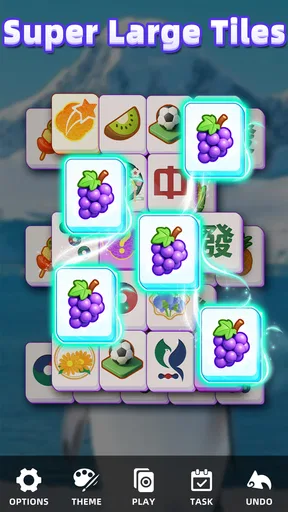
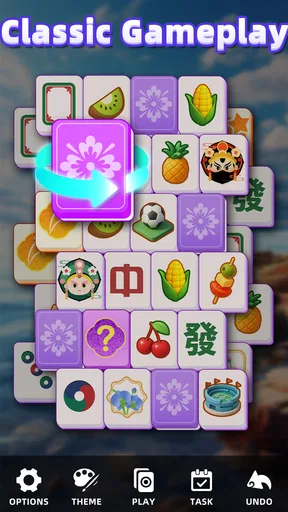
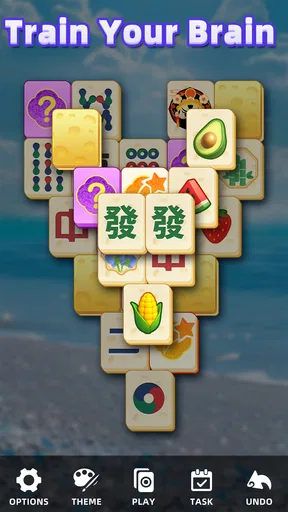
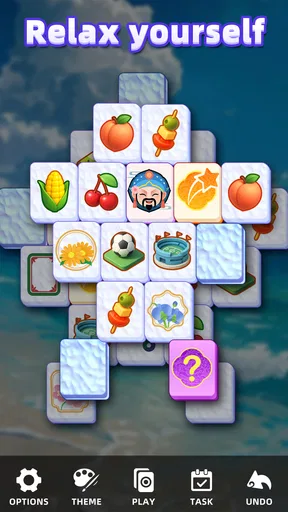
 Analysis by AppCompare
Hey there, puzzle enthusiasts! I’ve been spending time with Mahjong Classic: Tile Puzzle, a free board game from NiuAIGO, and its appeal is easy to understand: it turns a familiar tile-matching idea into a quiet activity you can pick up when you have a few spare minutes. The game is rated for Everyone, and its 4.7 average from around 580 ratings suggests it has found a receptive audience. I’d recommend it most to players who enjoy thoughtful, unhurried puzzles rather than a loud, fast-moving challenge.
Getting oriented and finding a first goal
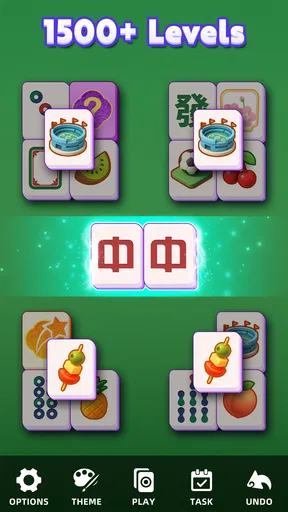
Opening the game feels like stepping into a serene garden, where the hustle and bustle of everyday life fades into the background. The interface is clean, with a soothing color palette that puts me in the mood for some tile-matching. I like that the first impression is calm instead of crowded; it gives the board room to be the focus.
Right away, a gentle tutorial introduces the basics of Mahjong. That makes the first session more welcoming if you have not played this style before, while experienced players can skip ahead. The opening goal is simple to grasp: clear the board by matching available tiles. That clarity matters on a phone, where I may only have a short window to play and do not want to spend it deciphering a complicated ruleset.
The game’s short description is Mahjong Classic, and the central activity follows that promise: look over the layout, identify a legal pair, and think about what removing it will uncover. The first useful habit is to scan the whole board before making an obvious match. A pair that looks easy to clear may be supporting access to tiles you need later, so I try to notice blocked or covered areas before committing.
How the board creates its challenge
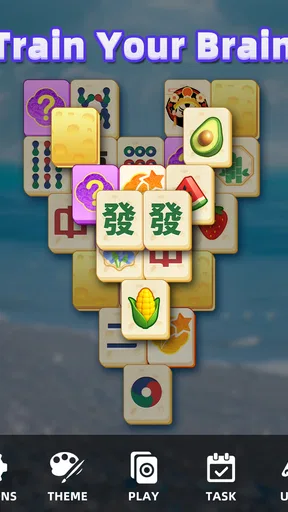
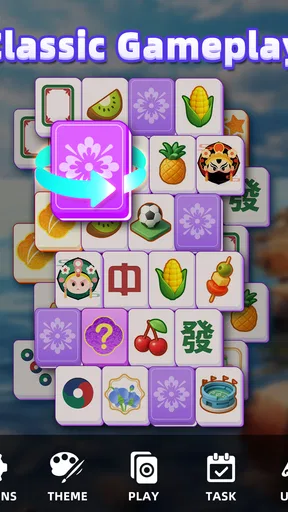
The gameplay is classic in spirit. You have a stack of tiles, and the aim is to match pairs until the board is clear. Only available tiles can be selected, so the puzzle is about more than spotting identical pictures. Removing one pair changes the choices that remain, and a move that feels harmless early can narrow the options later.
That makes the challenge more about attention and planning than speed. I get the most satisfaction when I pause briefly, compare the exposed pairs, and choose the match that opens the board rather than simply the first one I notice. If I am playing while distracted, I am more likely to make a casual choice and then realize I have left myself with fewer useful options.
The hint button is a practical safety net when I cannot see a move. I use it as a prompt to inspect the board again, not as a button to tap after every pause. Letting myself search first preserves the small logic puzzle at the heart of each round; leaning on hints too quickly would make the play feel more automatic than rewarding.
Worth Reading Before You Choose

EA SPORTS FC Mobile 26 Is a Bigger Football Game, but It Takes Time

Flipboard Shows What News Apps Must Do Beyond the Feed

Switching to Android Auto Means Rethinking Your Driving Routine

Google Calendar Makes a Crowded Week Easier to Manage

Ludo King Makes the Most of the Minutes Between Plans

Baby Panda World Brings Quick Play to Modern Phones, but Its Game Library Feels Busy
Progress, pacing, and reasons to return
Daily challenges give the game a convenient recurring goal. I can treat one as a brief mental warm-up, perhaps with a cup of coffee or while waiting for an appointment, without needing to turn the game into a long session. Achievements offer another kind of progress signal, giving play a sense of accumulation beyond clearing the current board.
Those elements suit players who enjoy modest milestones, but they do not change the basic rhythm: inspect, match, and work through the layout. That consistency is a strength when I want a familiar puzzle, though it may feel limited if I need a story, a steadily unfolding campaign, or a new mechanic every few rounds. The game is most satisfying when I enjoy the act of solving itself, not when I expect a complicated progression system to carry me.
For a better chance of finishing a board comfortably, I recommend taking a second to check what a pair will expose before tapping it. When two matches are available, clearing the one that opens more of the layout can be more useful than choosing the visually easiest pair. It is a small change in approach, but it makes the puzzle feel more deliberate and helps me avoid playing on autopilot.
Visual comfort and everyday usability
The available tile sets and backgrounds let me adjust the look of the game to my taste. Traditional bamboo-style tiles and more modern options offer a change of scenery, while nature-themed backgrounds reinforce the relaxed mood. I see these choices as atmosphere rather than a different kind of gameplay: they make repeated sessions feel a little more personal without asking me to learn another system.
Tile size can also be adjusted, which is a useful option for anyone who finds small symbols tiring to read on a phone. I would try that early rather than waiting until a long session becomes uncomfortable. A layout that is easier to scan supports better decisions, especially when several similar-looking tiles are visible at once.
The game is listed for Android and iOS, and the current version is 1.1.1. On Android, the minimum requirement is version 7.0. I would still check that my device meets the platform requirements before downloading, particularly if I use an older phone. The game is free to start, with optional in-app purchases priced from $2.99 to $9.99 per item, so anyone who wants to keep spending at zero can make that choice before buying anything.
Where it fits among other puzzle games
Compared with word games or number puzzles, this is a more visual kind of concentration: I am reading the arrangement of the board rather than calculating or building answers from clues. Compared with competitive board games, it is more solitary and relaxed, with no opponent whose pace I have to match. That makes it a good fit for a quiet break, but not the best pick when I want social play or a contest against another person.
It also differs from very casual matching games that reward quick taps above all else. Here, speed is less important than remembering which tiles remain accessible and considering how a removal changes the board. Players who enjoy that light planning will likely find more to engage with; people who prefer constant animation, rapid rounds, or a strong sense of narrative may be happier with a different puzzle style.
A realistic use for me is a few minutes between errands. I can open a board, scan the visible pairs, and decide whether I have enough time to finish or should save the session for a calmer moment. The relaxed presentation makes it easy to settle in, but the need to keep track of the layout means it is not quite the same as a puzzle I can play without looking closely. If I am walking, working, or likely to be interrupted every few seconds, I would wait until I can give the board a little attention.
Who will enjoy it, and who may want something else
I would point beginners toward this game if they want a gentle introduction to tile-matching and appreciate having a tutorial before trying the board alone. The straightforward objective means there is little setup between opening the app and starting to think. Experienced Mahjong-style puzzle fans may enjoy it as a low-pressure option, especially when they want a familiar format rather than a deep new rule set.
It is less suited to someone looking for a demanding strategy game with extensive layers of progression. Daily challenges and achievements provide reasons to come back, but the core activity remains the main attraction. If I were choosing a game for a long commute where I wanted a substantial campaign, competitive matches, or frequent changes in mechanics, I would look elsewhere. If I wanted a calm board to revisit in short bursts, this is much closer to what I would choose.
One trade-off is that a gentle presentation can make it tempting to rush through matches without thinking. I get more from the game when I treat each move as a small decision, and less when I tap whatever pair catches my eye first. Another is that using hints too freely can reduce the satisfaction of clearing a difficult layout on my own. The feature helps when I am genuinely stuck, but restraint keeps the puzzle engaging.
My verdict on its progression and pacing
Overall, the progression works best as a light framework around the board rather than the reason to play. The tutorial lowers the barrier to entry, daily challenges supply a recurring target, and achievements provide visible milestones. None of that changes the game’s measured pace, which is exactly why I can imagine returning for a short session without feeling pushed into a marathon.
NiuAIGO’s board game has reached over 50,000 installs, and the current version keeps its focus on a familiar, accessible form of tile puzzling. I would recommend it to someone who wants a soothing activity with just enough planning to hold their attention. I would skip it if I needed multiplayer competition, a strong narrative, or a more varied sequence of mechanics. For everyone else, the best approach is simple: take a moment to read the board, use hints only when they help, and let the challenge unfold at its own pace.
First Impressions
Opening Mahjong Classic: Tile Puzzle feels like stepping into a serene garden, where the hustle and bustle of everyday life fades into the background. The interface is clean, with a soothing color palette that immediately puts you in the right mood for some tile-matching action. I’m all about those first impressions, and this one nails it.
Right off the bat, you’re greeted with a tutorial that’s as gentle as a spring breeze. It guides you through the basics of Mahjong, which is awesome if you’re a newbie like me. For those seasoned players, you can easily skip ahead and dive straight into the game.
Gameplay Mechanics
The gameplay is as classic as it gets, with a twist. You’ve got a stack of tiles, and your mission, should you choose to accept it, is to match them all. Sounds simple, right? Well, it’s not as easy as it seems. The tiles are layered like a delicious lasagna, and only the top ones can be matched. It’s all about strategy and a sharp eye.
One thing I really dig is the hint system. Stuck on a move? Tap the hint button, and it’ll nudge you in the right direction. But don’t overuse it, or it’ll feel like someone else is solving the puzzle for you. And let’s be real, nobody wants that!
Features That Stand Out
Now, let’s talk features. The app offers a variety of tile sets and backgrounds. Whether you’re into traditional bamboo tiles or something more modern, there’s something to suit your style. I personally love the nature-themed backgrounds; they’re like a mini escape to the great outdoors.
There’s also a daily challenge mode, which is super addictive. It’s like a little ritual to start your day, sharpening your mind and giving you that sweet sense of accomplishment. Plus, the more you play, the more achievements you unlock. Who doesn’t love a little virtual trophy display?
Accessibility and Performance
The app runs smoothly on both Android and iOS, which is a huge plus. No annoying lags or crashes here, just seamless tile-matching goodness. It’s also pretty lightweight, so it won’t hog all your phone's resources. Perfect for those quick breaks throughout the day.
For those who need it, there’s an option to adjust the size of the tiles. It’s a thoughtful touch for anyone who might struggle with smaller screens or has visual impairments. Accessibility for the win!
Final Thoughts
Wrapping things up, Mahjong Classic: Tile Puzzle is a delightful blend of challenge and relaxation. Whether you’re a Mahjong master or just dipping your toes into the tile-matching waters, there’s something here for everyone. It’s a game that doesn’t just pass the time; it engages your brain and leaves you feeling accomplished.
So, if you’re in the market for a game that’s both calming and challenging, give this one a whirl. You might just find yourself hooked, scanning for those matching tiles at every spare moment. Happy puzzling!
Pros
- Intuitive and easy-to-use interface.
- Offers a variety of challenging levels.
- Visually appealing tile designs.
- Relaxing background music enhances gameplay.
- Offline play available for uninterrupted fun.
Cons
- Ads can be intrusive at times.
- Limited customization options.
- Some levels may be too easy for experts.
- In-app purchases can be pricey.
- Occasional performance lags on older devices.
FAQs for Mahjong Classic: Tile Puzzle
What is Mahjong Classic: Tile Puzzle?
Mahjong Classic: Tile Puzzle is a traditional tile-matching game that challenges players to clear the board by matching pairs of identical tiles. It offers various layouts and levels, catering to both beginners and seasoned players. The game combines strategic thinking with relaxation, making it suitable for a wide range of players.
Is Mahjong Classic: Tile Puzzle available offline?
Yes, Mahjong Classic: Tile Puzzle can be played offline, making it a great option for those who want to enjoy the game without an internet connection. This feature ensures that you can play anytime and anywhere, whether you're on a commute or in a location with limited internet access.
Are there any in-app purchases in Mahjong Classic: Tile Puzzle?
Mahjong Classic: Tile Puzzle offers optional in-app purchases. These may include hints, additional themes, or ad removal features. While the game is free to download and play, these purchases can enhance the gaming experience by providing extra convenience and customization options.
How user-friendly is the interface of Mahjong Classic: Tile Puzzle?
The interface of Mahjong Classic: Tile Puzzle is designed to be intuitive and user-friendly, making it easy for players of all ages to navigate. The clean design and clear instructions help players focus on the game without distractions, ensuring a smooth and enjoyable experience.
What are the main features of Mahjong Classic: Tile Puzzle?
Mahjong Classic: Tile Puzzle boasts a variety of features including multiple tile sets, diverse layouts, and difficulty levels. Players can enjoy daily challenges and track their progress with in-game statistics. The game also includes a hint system to assist with difficult matches, enhancing the overall playability.


